Lewisham Council permits for Lewisham Market floral stalls
Posted on 04/10/2026
If you are planning to trade flowers at Lewisham Market, the permit side can feel like the least romantic part of the business. Still, it matters. Lewisham Council permits for Lewisham Market floral stalls are the gateway to trading properly, avoiding awkward interruptions, and building a stall that feels reliable from day one. Whether you are launching a small seasonal pitch, testing a weekend side-hustle, or setting up a more established floral business, the paperwork and permissions shape everything from your trading days to the way you present your stock.
Truth be told, most stallholders do not lose sleep over the bouquet design. They lose sleep over the admin. This guide breaks the process down in plain English: what the permit usually means, how it tends to work in practice, what to prepare, what to avoid, and how to make the setup feel less stressful. You will also find a practical checklist, a comparison table, and a realistic example so you can move forward with more confidence.
Expert takeaway: treat the permit process as part of your business foundation, not just a box to tick. A tidy application, sensible stock plan, and clear understanding of market rules can save time, money, and a lot of back-and-forth later on.
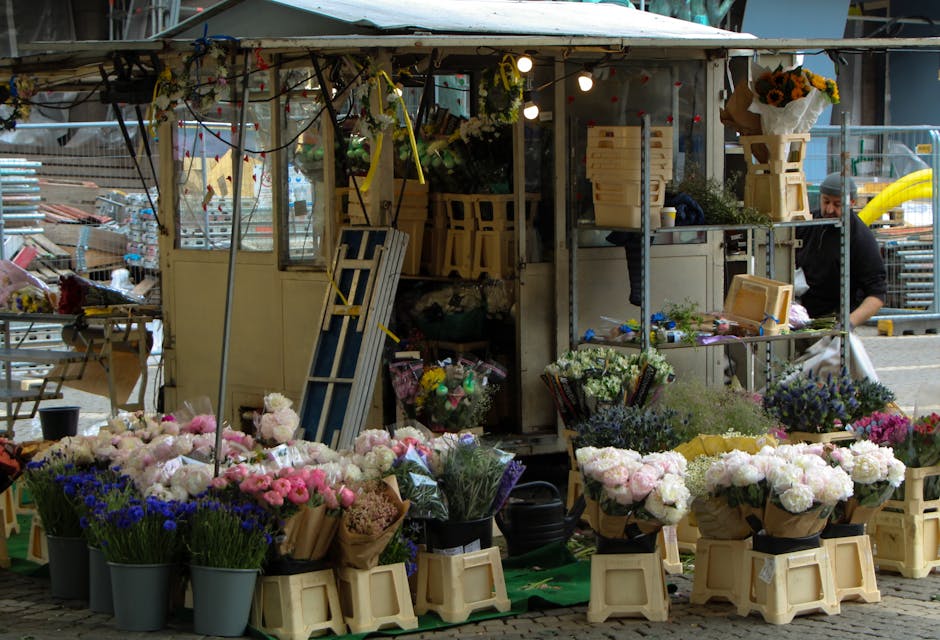
Why Lewisham Council permits for Lewisham Market floral stalls Matters
A market stall is not just a table with flowers on it. It is a trading position inside a shared public space, and that means permissions matter. If you are selling bouquets, bunches, vase arrangements, wedding flowers, sympathy flowers, or seasonal stems at Lewisham Market, the permit is usually what gives you a legitimate place to trade, subject to the market's rules and any council expectations.
That matters for a few very practical reasons. First, it helps you avoid the obvious problem of being told you cannot trade on the day. Second, it gives the market organiser a clearer picture of who is on site, what is being sold, and how stalls fit together. Third, it can affect your pricing, your product mix, your operating hours, and even the kind of display equipment you are allowed to bring.
There is also the trust factor. Customers notice when a stall feels organised and properly run. A neat floral pitch, tidy signage, and clear trading arrangements send a better message than a rushed setup that seems a bit improvised. To be fair, flower stalls are often judged on the details. People buying flowers want freshness, consistency, and someone who looks like they know what they are doing.
It is also worth remembering that permits can sit alongside wider business needs. You may need to think about insurance, business rates implications, food or drink add-ons if you sell extras, waste handling, and day-to-day stock protection. None of that is glamorous. All of it is useful.
Practical point: a permit is not just permission to stand somewhere; it is often the starting point for running a stall in a way that is smoother, safer, and easier to grow.
How Lewisham Council permits for Lewisham Market floral stalls Works
While exact procedures can change over time, the basic logic is usually straightforward. You apply for permission to trade, the market or council reviews the request, and if approved you are given trading terms for a pitch or stall space. Depending on the setup, that may involve a temporary arrangement, a regular recurring pitch, or a trader agreement with specific conditions.
For floral stalls, the council or market operator may look at a few practical things: what you want to sell, how much space you need, whether your setup is safe and tidy, and whether your trading plan fits the market's style and capacity. Flowers sound simple, but in a busy market they bring their own needs: water containers, buckets, display stands, packaging, waste disposal, and enough room to keep stems fresh without cluttering the walkway.
In many cases, the permit process is less about proving you are a giant business and more about showing that you are prepared. Are your stock arrangements sensible? Can your stall be set up and taken down efficiently? Do you understand customer flow, weather conditions, and storage needs? These are the little things that make the difference.
You may also find that some permissions are tied to specific days or periods, such as seasonal trading or event-driven footfall. In practical terms, that means a Mother's Day week, a spring wedding period, or a Christmas market schedule could each feel a bit different. If you are planning around busy flower dates, timing matters more than most people expect.
If you are also considering how your broader florist business operates beyond the market, it can help to think about your retail and delivery side too. For example, the local customer journey often links stall trading with online ordering, and pages like florist services in Lewisham SE13 or flower delivery in Lewisham SE13 can sit naturally alongside a market presence when you are building a recognisable local brand.
Key Benefits and Practical Advantages
Getting the right permit for a floral stall is not just about compliance. It can genuinely help your business run better. The benefits are often practical rather than flashy, and that is usually where the value sits.
- Clear trading rights: you know where you stand and can plan stock, staffing, and opening days with less guesswork.
- Better customer confidence: a properly permitted stall tends to feel more professional and dependable.
- Reduced disruption: fewer awkward conversations about location, pitch use, or unauthorised trading.
- More consistent sales planning: you can align product buying with market days and local footfall.
- Stronger local presence: a market stall can support your brand across weddings, birthdays, sympathy orders, and same-day requests.
There is another benefit people sometimes overlook: visibility. A market stall can work like a live showroom. Customers can see colour combinations in person, smell fresh stock, and speak with you face-to-face. That is powerful. It helps convert casual browsers into repeat buyers, especially for flowers, which are often bought emotionally and quickly.
For many florists, the stall also acts as a bridge between the digital world and the physical one. A customer may spot your display on a Saturday morning, then place a larger order later in the week. If that sounds idealistic, maybe. But it happens more often than you think.
Who This Is For and When It Makes Sense
This topic is relevant to a fairly wide range of people, not just established florists. If you are looking at Lewisham Market as a trading location, you might fit into one of these groups:
- Independent florists wanting a market presence to complement a shop or delivery service.
- Start-up traders testing demand before investing in a larger premises.
- Seasonal sellers who want to trade around holidays or event-heavy periods.
- Event-focused florists selling wedding, sympathy, or celebration arrangements.
- Local businesses expanding into new community-facing sales channels.
It makes sense if you want flexible trading access, local footfall, and direct customer interaction. It may also make sense if you need a lower-commitment route into retail than opening a shop from scratch. That said, market trading is not always the easiest route. You have weather, setup times, transport, and stock freshness to manage. Flowers are beautiful, yes, but they are also gloriously sensitive. A warm van and a delayed morning can change the whole tone of the day.
If you mainly sell special-order bouquets, sympathy arrangements, or wedding flowers, a market stall can still be useful as a brand-building space. You might showcase seasonal stems, card add-ons, or a small curated range, then direct people to more bespoke services. For example, a strong display might support ranges like wedding flowers in Lewisham or funeral flowers in Lewisham SE13 without needing to carry the full line on the stall itself.
Step-by-Step Guidance
Here is a practical way to approach the permit process without getting tangled up in admin.
1. Define your stall plan
Start with the basics: what are you selling, on which days, and from what kind of setup? A floral stall might be a compact table with buckets, a more polished stand with signage, or a mixed display with bouquets, single stems, and seasonal arrangements. The clearer your plan, the easier it is to discuss space and suitability.
2. Check trading expectations
Before applying, make sure you understand the market's operating pattern. A market like Lewisham can have its own rhythms: busier mornings, quieter afternoons, weekend peaks, or seasonal shifts. If your stock is sensitive to heat or wind, factor that in early. It saves tears later. Honest.
3. Prepare your business details
Have your trading name, contact details, product summary, and any relevant business information ready. If you already sell through a shop or online, bring together anything that shows you are organised. Clear descriptions help the council or market team understand what kind of trader you are.
4. Think through your stall operations
Consider the practical side: how much space do you need, how will flowers be displayed, where will packaging go, how will you handle water, and what happens to waste at the end of the day? These small decisions often make a stronger impression than glossy wording.
5. Submit the application or enquiry
Follow the route provided by the council or market operator. If the process asks for supporting documents, send them in a tidy, legible format. Not five separate messages at midnight, if you can help it.
6. Review the trading terms carefully
If approved, read the conditions before you start. Check your pitch location, trading hours, payment terms, cancellation rules, and any restrictions on stall furniture, displays, or waste disposal. If anything is unclear, ask. Better to ask once than guess badly twice.
7. Set up a repeatable routine
Once you are trading, build a routine around stock prep, transport, setup, and close-down. Flowers are time-sensitive, and routines keep them looking good. A regular process also helps you spot waste, over-ordering, or product gaps.
A simple rule: if the stall takes too long to set up, it will feel harder than it needs to be. Keep it neat, keep it light, keep it practical.
Expert Tips for Better Results
After enough market mornings, you start seeing what works. The difference is rarely dramatic. It is usually a collection of small decisions done consistently.
- Keep your display short and readable. A crowded floral stall can look busy, but often it just looks messy. Use height, colour grouping, and clear price points.
- Carry a weather plan. Wind, rain, or bright sun can damage presentation fast. Have covers, weights, and backup buckets ready.
- Choose stems with flexibility. Some flowers are better for market life than others. Hardier blooms often suit outdoor or semi-outdoor trading better.
- Use packaging that travels well. Customers appreciate a bouquet they can carry easily on the bus or tube.
- Track what sells on which days. Saturday shoppers may want brighter mixed bunches; weekday buyers may lean toward convenience or smaller gifts.
One useful habit is to build a core range and a few quick-change features. For example, you might keep a stable base of roses, lilies, tulips, and seasonal mixed stems, then rotate colour themes depending on the market calendar. That way you are not reinventing the stall every week.
Another tip: do not underestimate signs. A well-written price board can reduce friction and help people decide faster. We all know the feeling of hovering near a stall wondering whether to ask. Make it easy for them.
If your wider business includes online ordering or post-based delivery, a market pitch can become a live extension of your sales platform. For example, customers may move from browsing in person to ordering through same-day flower delivery in Lewisham SE13 or next-day flower delivery in Lewisham SE13 after seeing your stock quality in person.
Common Mistakes to Avoid
Market trading tends to punish the little mistakes faster than a shop does. A stall is exposed, visible, and very immediate. So it helps to learn from the common slip-ups.
- Applying without a clear stall concept. "I sell flowers" is too vague. Say what kind of flowers, what scale, and what customer need you serve.
- Ignoring stall logistics. If you do not think about water, waste, weather, and storage, you will feel it on day one.
- Overstocking fragile stems. Pretty, yes. Practical, not always.
- Forgetting trading terms. A permit is only useful if you actually follow the conditions attached to it.
- Making the display too complicated. Customers need a quick read, not a treasure hunt.
- Failing to separate business and personal spending. It makes tracking the stall's performance harder than it needs to be.
A slightly less obvious mistake is treating the stall as a one-off event rather than a repeatable business channel. A stall that looks improvised every week can undermine the trust you are trying to build. Consistency counts, even if the flowers themselves change daily.
And yes, sometimes the day just goes sideways. A delivery runs late. The wind picks up. A bucket tips. That is market life. The trick is not perfection; it is preparation.
Tools, Resources and Recommendations
You do not need fancy kit to run a good floral stall. You need the right kit. There is a difference.
Useful practical items
- Strong display buckets and backup containers
- Water carriers and refill plan
- Weighted table covers or stall clips
- Clear pricing boards and small signs
- Secure packaging for hand-tied bouquets
- Waste bags and tidy-up supplies
- Weather protection such as covers or canopies where permitted
Operational habits that help
- Record your stock use and wastage after each trading day
- Separate bestsellers from slow movers
- Keep a simple reorder list for core flowers
- Note the times of day when customers are most active
- Check the stall layout before opening, not after customers arrive
For product inspiration and range planning, it can be useful to look at your own site structure or product categories. For example, seasonal ranges such as summer flowers, colour-led choices like mixed colours, or general best-seller pages such as best sellers can help you decide which lines deserve a place on the stall.
If you need a sharper budget angle, a practical set of entry-level options such as cheap flowers in Lewisham SE13 or budget flowers can give you a straightforward, accessible market offer while you build traffic.
Law, Compliance, Standards, or Best Practice
Because permits touch trading rights and public-space use, it is sensible to handle the compliance side carefully. The exact requirements can depend on the market operator, the council's local rules, and the type of stall arrangement offered. So the safest approach is to treat formal permission as essential and not assume verbal approval is enough.
Best practice usually includes:
- Trading only within your approved pitch or time slot
- Following stall safety and site management instructions
- Keeping the public walkway clear
- Maintaining tidy waste management
- Using equipment that does not create a hazard
- Making sure your products and signage are honest and clear
Depending on your wider business setup, you may also need to think about insurance, food or ancillary sales, product labelling practices, and customer data handling if you take pre-orders. Those issues do not all apply to every trader, but they should be considered where relevant. If in doubt, ask before trading. It is usually easier to clarify early than to untangle later.
For a floral business, product quality also forms part of best practice. Freshness, condition on display, water maintenance, and clean presentation are not just aesthetic concerns. They are part of your credibility. A stall full of drooping stems is hard to recover, even on a busy day.
Options, Methods, or Comparison Table
If you are deciding how to trade flowers locally, it helps to compare the common routes. A market stall is not automatically the best option for everyone, but it can be excellent in the right context.
| Option | Best for | Strengths | Limitations |
|---|---|---|---|
| Lewisham Market floral stall | Local visibility and flexible trading | Direct customer contact, brand exposure, community feel | Weather exposure, setup effort, pitch restrictions |
| Shopfront florist | Stable day-to-day retail | Permanent presence, storage, broader display space | Higher overheads, less flexibility |
| Delivery-only florist | Convenience-led sales | Broader reach, lower customer-contact pressure | Less in-person discovery, heavier reliance on logistics |
| Pop-up or event stall | Seasonal spikes and testing demand | Short-term commitment, good for launches | Less consistency, more planning around each event |
If you want to build local recognition, the stall can work especially well alongside delivery and occasion-based product lines such as birthday flowers in Lewisham SE13, send flowers in Lewisham SE13, and occasion-led ranges like any occasion.
Case Study or Real-World Example
Imagine a small Lewisham florist who already handles online orders but wants a more visible local presence. They start with a modest floral stall on selected market days, focusing on hand-tied bunches, seasonal mixed arrangements, and a few higher-value statement bouquets. Nothing overcomplicated. Just clean, bright stock that looks good from a distance and still feels special up close.
At first, they keep the range tight: roses, lilies, tulips, and a few mixed seasonal stems. They also carry a couple of sympathy and gift options for customers who need something quickly. By midday, they notice that smaller ready-to-go bunches move fastest, while larger premium bouquets sell best when presented with simple, elegant wrapping. The stall is not only making sales; it is teaching them what the local customer actually wants.
After a few weeks, they use that insight to sharpen the rest of their business. They tweak their online listings, add more same-day options, and refine their market display for busy periods like weekends and special occasions. The permit is only part of the story, but it makes the whole setup possible. That is the real point.
They also realise something else, which is a bit obvious once you say it out loud: a good stall makes people stop. A good stall makes people ask. And once they ask, the conversation begins.
Practical Checklist
Use this checklist before you apply or before your first trading day. It keeps things grounded.
- Confirm the market days and expected trading pattern
- Define your floral product range clearly
- Prepare your business contact details and basic trading information
- Plan stall size, display style, and storage needs
- Think through water, waste, and weather protection
- Read the trading conditions carefully if permission is granted
- Set a simple pricing structure
- Organise packaging and transport so flowers stay fresh
- Choose a core range that can sell reliably
- Review insurance and any other business obligations relevant to your setup
- Track sales and waste after each market day
- Make a note of any questions for the market team before opening day
Quick reminder: the smoother your routine, the better your flowers look. It is as plain as that.
Conclusion
Lewisham Council permits for Lewisham Market floral stalls are really about more than permission. They are about setting up a trading space that is legitimate, clear, and workable for the long term. If you get the basics right, the market can become a genuine asset: a place to sell, learn, and build a local floral brand people remember.
Start with a clear stall concept, understand the conditions, prepare for the practical side, and keep your display simple enough to manage well. That approach tends to beat overthinking every time. And if you are still weighing up whether market trading fits your business, ask yourself one honest question: do you want visibility, flexibility, and direct customer feedback? If the answer is yes, this could be a very smart move.
Get a free quote today and see how much you can save.
And if the paperwork feels a bit dull, fair enough. The good news is that once it is done properly, you can focus on the best part again: the colour, the scent, and the small joy of putting fresh flowers into people's hands.
Frequently Asked Questions
Do I need a permit to sell flowers at Lewisham Market?
In most real trading situations, yes, you should expect to need permission from the market operator or the relevant local authority arrangement. The exact route can vary, but the safe assumption is that you should not set up without approved trading rights.
How long does the permit process usually take?
That depends on the market's internal process, how complete your application is, and whether there are available pitches. A tidy, well-prepared enquiry usually moves faster than one that needs repeated clarification.
What should I include when applying for a floral stall?
Provide your trading details, a clear summary of what you will sell, your expected trading days, and any practical information about stall layout or equipment. The more specific you are, the easier it is for the market team to assess suitability.
Can I sell both bouquets and gift items from the same stall?
Often yes, provided the market conditions allow it and the products are suitable for the stall environment. Many florists mix flowers with small add-ons such as cards or wraps, but always check the terms before expanding the offer.
Is a market stall better than a flower delivery business?
They serve different purposes. A market stall gives you visibility and direct customer contact, while delivery is better for convenience and broader reach. For many florists, the best setup combines both.
What flowers tend to work well on a market stall?
Hardier stems and ready-to-go mixed bunches often work best because they handle display and transport more comfortably. Seasonal flowers can be excellent too, especially if they are fresh, colourful, and easy for customers to buy quickly.
What if my stall needs water and extra storage?
Plan for that before trading starts. Water access, container management, and waste handling are part of the practical reality of selling fresh flowers. If the stall setup is too awkward, it will affect both presentation and flower life.
Can I trade seasonally, like for Mother's Day or Christmas?
Sometimes yes, but seasonal or short-term trading still usually needs permission. In fact, busy seasonal periods are often when market rules and space allocation matter even more, so do not leave it until the last minute.
What are the biggest mistakes new floral stallholders make?
The most common ones are weak planning, overcomplicated displays, poor weather preparation, and not reading the trading conditions properly. The flowers may be beautiful, but the stall still needs to run like a small business.
How can I make my stall look more professional?
Keep your signage clear, your pricing simple, your buckets tidy, and your colour palette intentional. A calm, organised stall usually looks more premium than one overloaded with stock.
Do I need different arrangements for market sales than for shop or online sales?
Often, yes. Market customers usually want something easy to carry, easy to choose, and ready now. That means your best market products may be slightly different from your bespoke delivery or wedding range.
Where do Lewisham Market permits fit into my wider business plan?
They fit best when you see them as part of a wider local strategy. A stall can support brand awareness, drive repeat orders, and help you test products before expanding further. In a practical sense, it is one part of a bigger florist ecosystem.


